
When Wool Remembers the Land
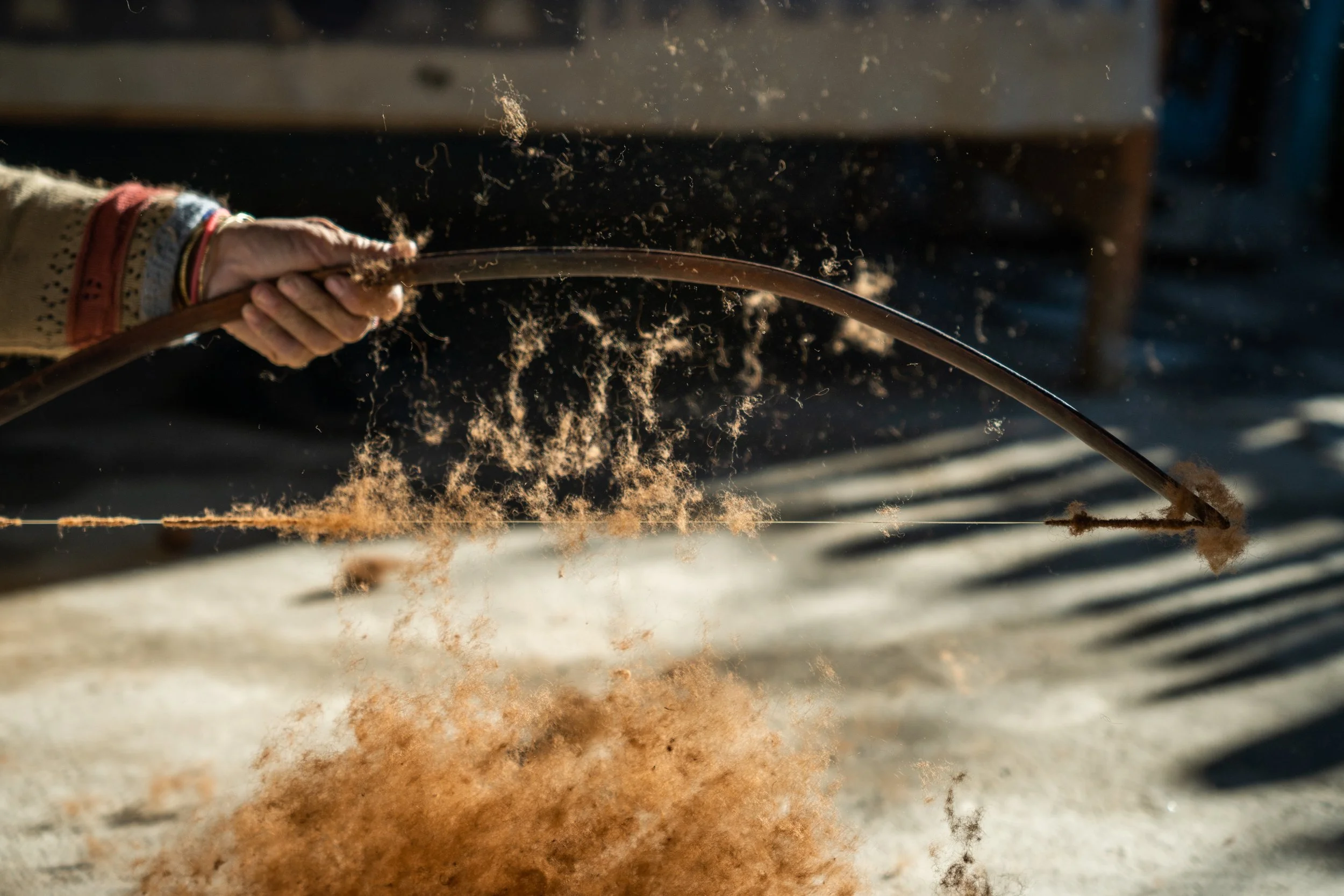
We work with two mountain cloths: Shu, a handwoven wool fabric from Chitral in north-west Pakistan, and tweed from the Scottish isles. One grows up among walnut trees and mineral hot springs; the other in salty air and Atlantic light.
Twilling Tweeds is the space in-between – where threads from both places meet, and where wool becomes a way to talk about memory, migration and making a living with dignity.
Shu (Khowar): traditional handwoven woollen cloth from Chitral
Patti (Urdu): local term often used for Shu

What is Shu?
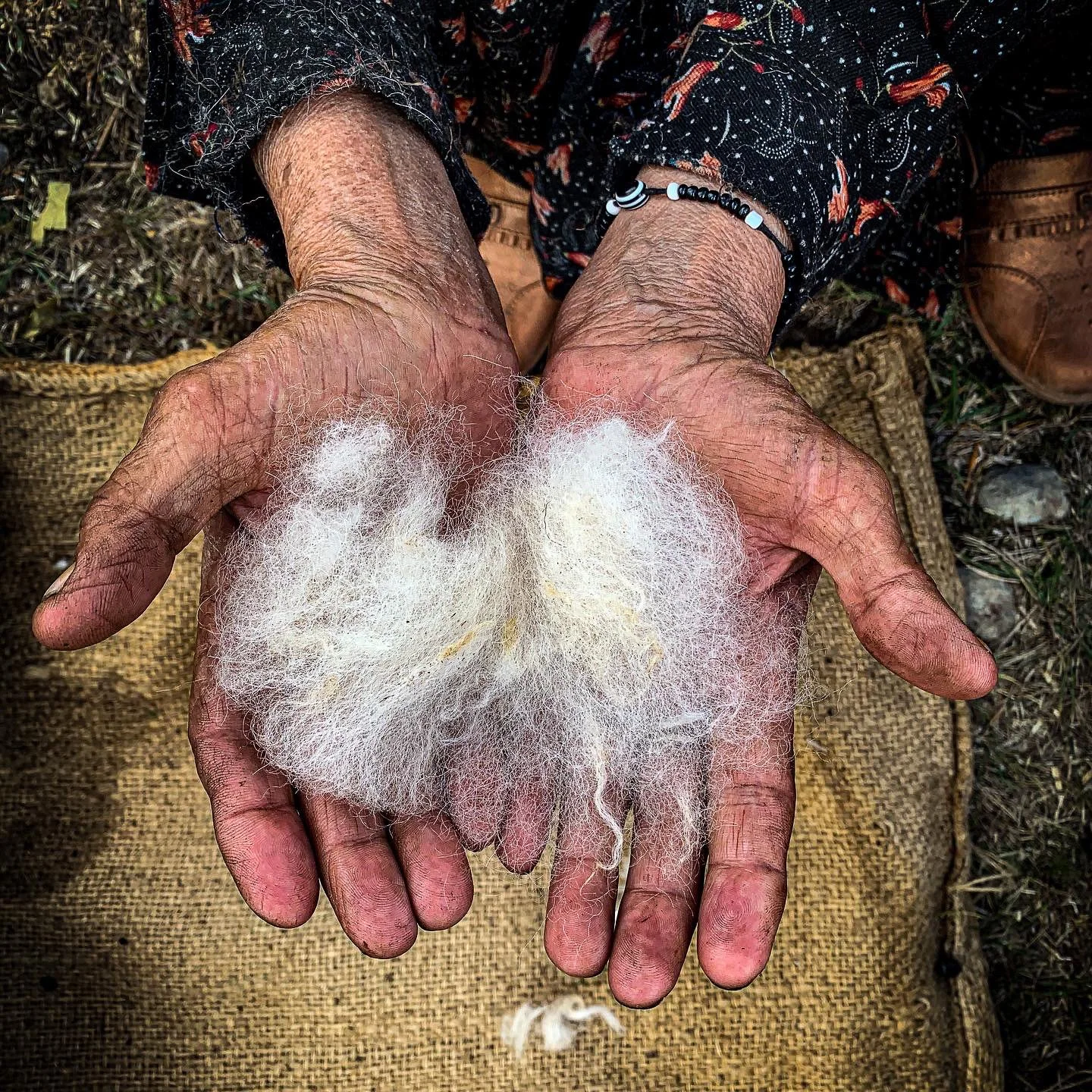
Shu is a climate-adapted, wind-proof woollen fabric from the mountains of Chitral in northern Pakistan. For generations, families have raised sheep, washed fleece in rivers and hot springs, spun yarn by hand, and woven Shu into coats, blankets, caps and quilts that travel across valleys and borders.
It’s more than just a cloth. Shu is:
a local archive of stories, songs and proverbs,
a winter currency traded at bazaars and border towns,
a quiet form of climate resilience, keeping bodies warm in a region already on the frontline of environmental change.
These looms were made by the prophets,”
says Shireen Khan, a Shu weaver from Royee village.
For him, weaving is not just work – it’s a blessing,
a way of staying in conversation with land and ancestors
What is Tweed?
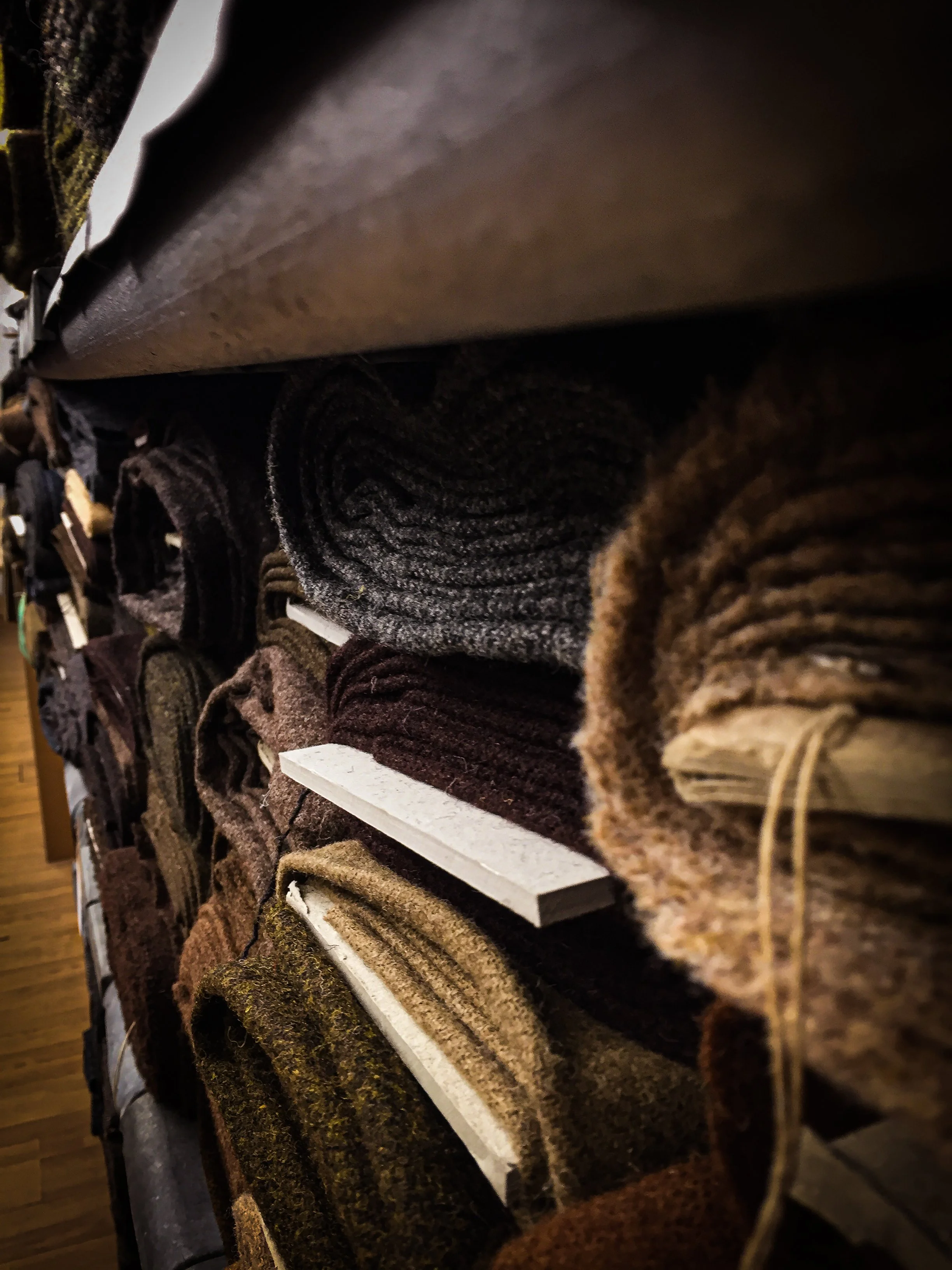
Tweed is a wool fabric woven in the Scottish isles, where the law itself protects its provenance. On the Outer Hebrides, every thread is dyed, spun and woven close to home, on treadle-powered looms, by weavers whose skills travel down through families.
Tweed is:
born from weather – wind, rain, peat and heather translated into colour,
shaped by islands – small mills, crofts and kitchen tables,
built to last – repaired, reworked and worn for decades.
When Shu and tweed sit side-by-side, they feel like cousins: two mountain textiles carrying different skies but similar questions about how to live well with land.
How we follow the wool
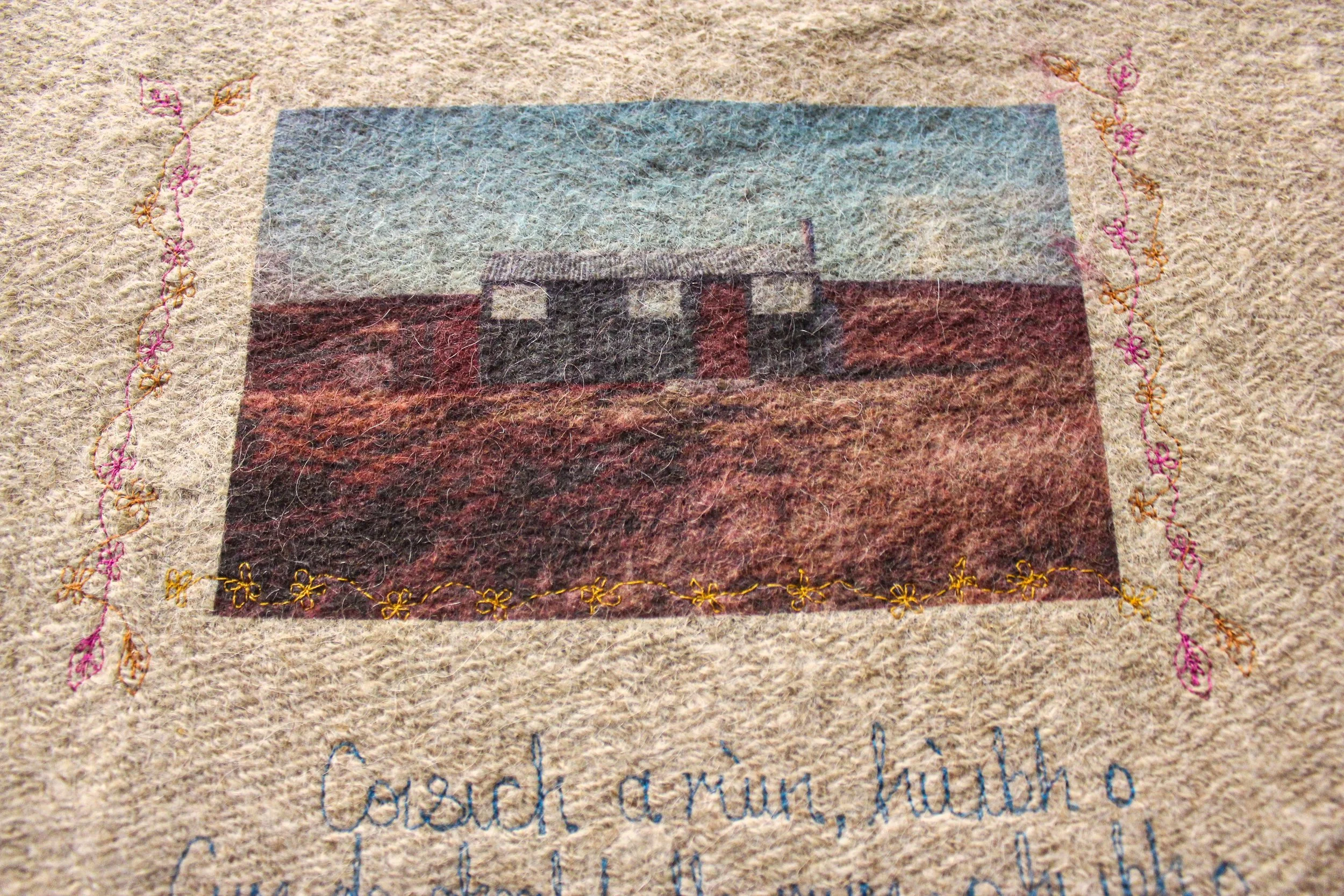
Between 2022–2024, Adil Iqbal worked with weavers, felters, spinners, shepherds and traders across Garam Chashma valley to document the full life of Shu – from sheep grazing to felted cloth. The result is an open archive of 21+ hours of video, 400+ photographs and 50+ interviews, organised step-by-step so you can follow the wool.
We like to joke that we’re not just a studio – we’re also a bit of a wool detective agency!
Why Wool, Why Now?
We stay with wool because:
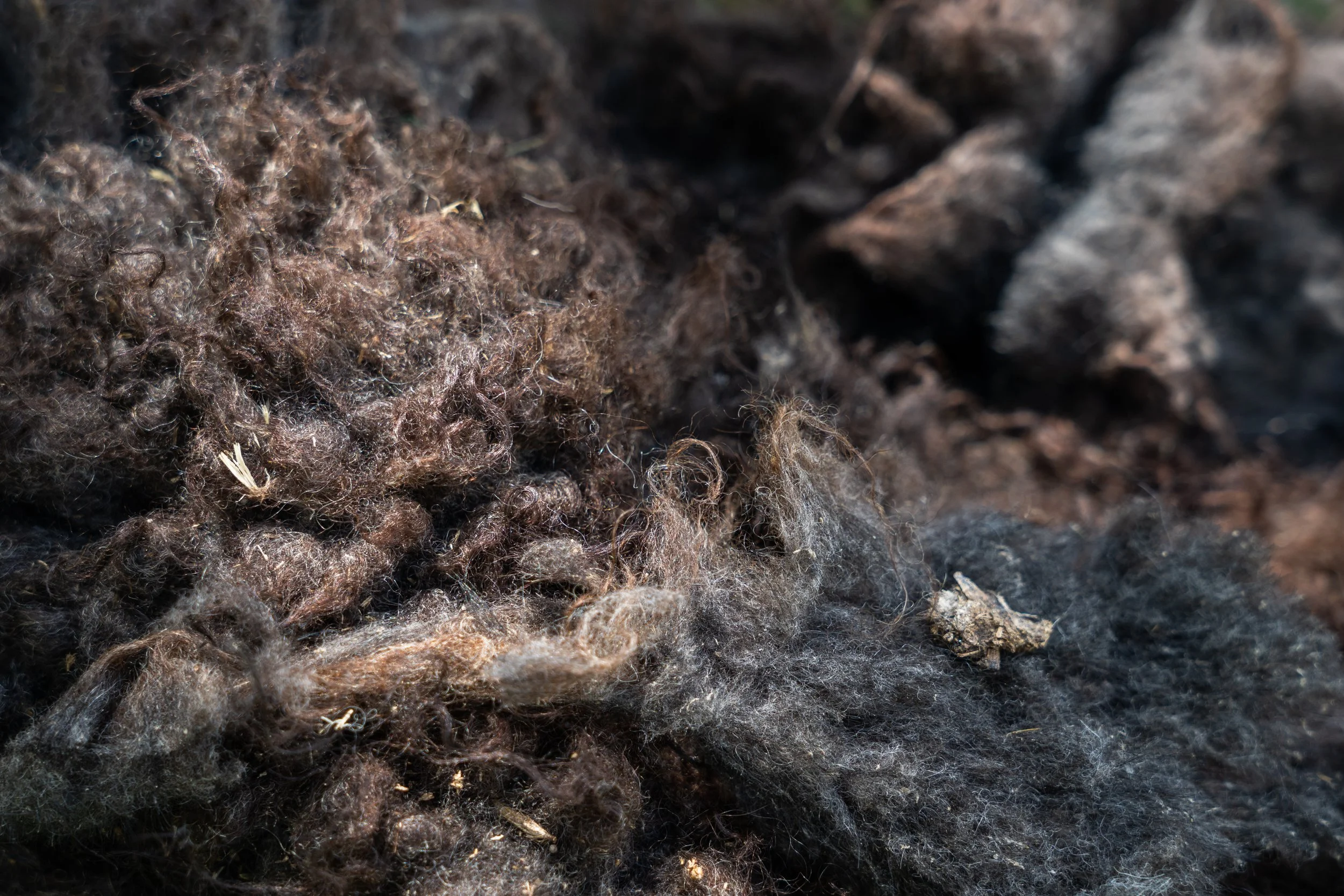
It remembers the land. The quality of Shu depends on the pastures where sheep graze; the colour of tweed comes from moss, sea, sky. To work with wool is to stay accountable to landscapes under stress.
It keeps people rooted. Wool economies support shepherds, spinners, weavers and embroiderers whose skills are often undervalued, yet hold communities together.
It is repairable, not disposable. A good wool garment survives decades; it can be darned, altered, rescaled. This is the opposite of “fast everything”.
It is local, not anonymous. Whether in Chitral or the Hebrides, wool carries accent, climate and history in each fibre.
It’s a good listener. Wool absorbs dye, scent, weather – and also the stories told over it. We treat it as both material and witness.
In a time when Pakistan is ranked among the countries most vulnerable to climate change, and remote island communities in Scotland are facing their own ecological pressures, wool becomes a quiet way to ask: what would a slower, more accountable textile future look like?
Quisque iaculis facilisis lacinia. Mauris euismod pellentesque tellus sit amet mollis.