
Harris Tweed
The Outer Hebrides are located on the outer edge of Europe and in the far north west of Scotland. Lewis and Harris are the two most northerly islands in the group. Despite their separate identities, they are, in fact, linked and part of one land-mass.
In 1844 the Earl of Dunmore commissioned a local weaver in Harris to copy a Scottish tartan in tweed. So impressed was the countess of Dunmore with the result of the fabric that she began to sell the cloth to her friends and associates. Orders poured in. The cloth became popular with the British aristocracy, and both an industry and legend was born.
The raw material of the Harris Tweed weaver is a woollen yarn made entirely from 100% pure new wool from sheep.
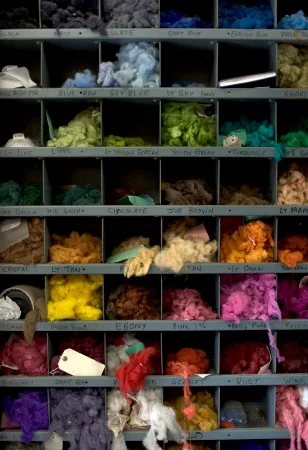
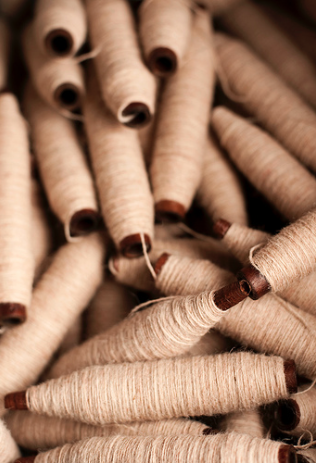
The process begins in the early summer when the island communities get together to round up and shear the local sheep to add their wool to the mainland clip used to make the world famous cloth. This clipped wool is taken to the local mills to be washed and dyed. Colours are blended, carded and warped. The warps, along with the weft are delivered to the weaver’s shed.
After this, the roll of tweed is washed to remove any impurities. The tweed is then checked by skilled hands and eyes, ensuring its quality. After this, the finished bolts of tweed receive the official stamping of the Orb trademark.
58 years old Alex Macdonald a weaver lives in Ness, the Northern most district on the island of Lewis.
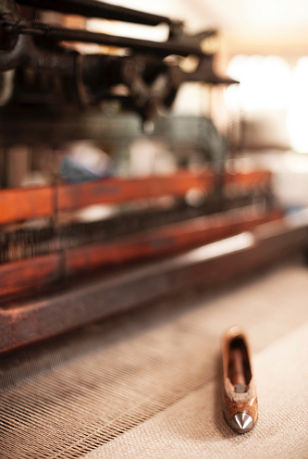
‘I started weaving back in 1969, and invested in a new double width loom in 1995 which produces the cloth in 150cm widths. You get time to think when weaving, especially as my shed looks over the Atlantic. I often wonder where the latest order came from and who’ll wear my cloth’
Quisque iaculis facilisis lacinia. Mauris euismod pellentesque tellus sit amet mollis.