|
A Journey Through History, Culture, and Heritage͏ ͏ ͏ ͏ ͏ ͏ ͏ ͏ ͏ ͏ ͏ ͏ ͏ ͏ ͏ ͏ ͏ ͏ ͏ ͏ ͏ ͏ ͏ ͏ ͏ ͏ ͏ ͏ ͏ ͏ ͏ ͏ ͏ ͏ ͏ ͏ ͏ ͏ ͏ ͏ ͏ ͏ ͏ ͏ ͏ ͏ ͏ ͏ ͏ ͏ ͏ ͏ ͏ ͏ ͏ ͏ ͏ ͏ ͏ ͏ ͏ ͏ ͏ ͏ ͏ ͏ ͏ ͏ ͏ ͏ ͏ ͏ ͏ ͏ ͏ ͏ ͏ ͏ ͏ ͏ ͏ ͏ ͏ ͏ ͏ ͏ ͏ ͏ ͏ ͏ ͏ ͏ ͏ ͏ ͏ ͏ ͏ ͏ ͏ ͏ ͏ ͏ ͏ ͏ ͏ ͏ ͏ ͏ ͏ ͏ ͏ ͏ ͏ ͏ ͏ ͏ ͏ ͏ ͏ ͏ ͏ ͏ ͏ ͏ ͏ ͏ ͏ ͏ ͏ ͏ ͏ ͏ ͏ ͏ ͏ ͏ ͏ ͏ ͏ ͏ ͏ ͏ ͏ ͏ ͏ ͏ ͏ ͏ ͏ ͏ ͏ ͏ ͏ ͏ ͏ ͏ ͏ ͏ ͏ ͏ ͏ ͏ ͏ ͏ ͏ ͏ ͏ ͏ ͏ ͏ ͏ ͏ ͏ ͏ ͏ ͏ ͏ ͏ ͏ ͏ ͏ ͏ ͏ ͏ ͏ ͏ ͏ ͏ ͏ ͏ ͏ ͏ ͏ ͏ ͏ ͏ ͏ ͏ ͏ ͏ ͏ ͏ ͏ ͏ ͏ ͏ ͏ ͏ ͏ ͏ ͏ ͏ ͏ ͏ ͏ ͏ ͏ ͏ ͏ ͏ ͏ ͏ ͏ ͏ ͏ ͏ ͏ ͏ ͏ ͏ ͏ ͏ ͏ ͏ ͏ ͏ ͏ ͏ ͏ ͏ ͏ ͏ ͏ ͏ ͏ ͏ ͏ ͏ ͏ ͏ ͏ ͏ ͏ ͏ ͏
بِسْمِ اللهِWe traverse lands steeped in history and culture, from the relational landscapes of Persia with its complex tapestry of places like Kashmir and Mazandaran, to the poignant narratives of displacement and resistance in an age of collective trauma. We explore the aromatic tale of the Mohammadi rose in Iran, a symbol of heritage and the delicate art of rose water production, and venture into the Musatah house in Chitral Valley, adorned with lotus carvings that echo ancient Persepolis. This journey culminates in the powerful expression of Palestinian Tatreez, an emblem of resistance and remembrance. Each thread in this journal is a story, a testament to the enduring spirit of places and peoples, weaving together a rich canvas that is Peristan - a sanctuary where every story finds its place, and every voice resonates in the chorus of shared human experience.
|
|
|
|
Persians understood the meaning of places relationally, and different meanings were invoked according to context. There were several levels of place, from homelands to larger regions (Iran was one such name), in between which lay smaller regions and political kingdoms. The most common geographical unit of place was the smaller region (Kashmir or Mazandaran), or its main urban centres. By contrast, homelands were small places, usually cities or towns. Homelands could also be multiple, accrued by forebears and in the course of life. The same placename could mean different things, based on relational context. Hindustan (today, ‘India’ in Persian) could refer to a number of scales of region: the whole subcontinent, the kingdom ruled by the Timurids (which did not include the southernmost reaches of the subcontinent) or else the smaller region of Hindustan (the central Indo-Gangetic plain of north India). When speaking of relations between rulers, the kingdom was invoked. When speaking of transregional movement, larger placenames, such as Turan (roughly, today’s Central Asia), were used. |
|
|
|
|
By Adil Iqbal The West, a mirage of dreams that offers promises of freedom and liberation, has become traumatic for many. I am a product of this disillusionment; my past generations were uprooted from their homeland and displaced in a country where we are supposed to thrive and prosper. There’s a persistent yearning within me that longs for a place I have yet to experience. This liminal space offers me one of many reasons to write. I write to be disobedient, to protest and resist. |
|
|
|
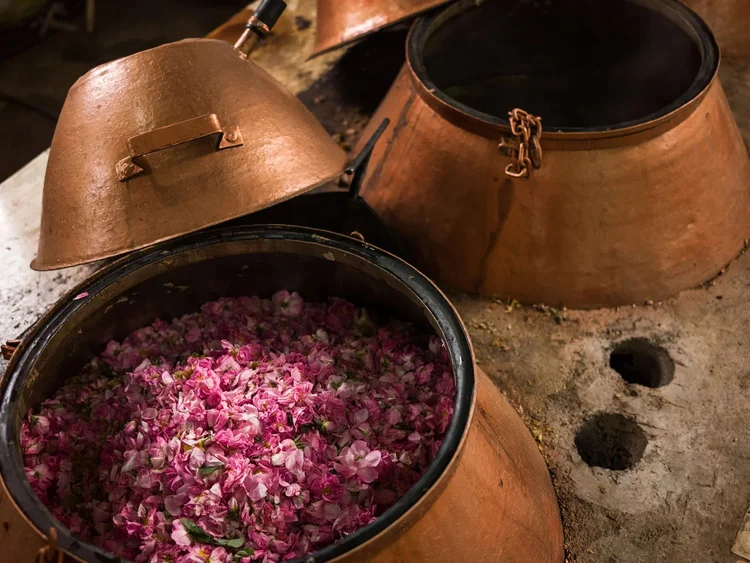
In the picturesque village of Qamsar, nestled near the ancient town of Kashan in Iran, lies a story woven with the delicate petals of the Mohammadi rose. It's a tale of heritage and aroma, narrated by Moshen Ghaffari, a guardian of this floral legacy. Born into the age-old craft of Mohammadi rose water production, Ghaffari is not just a producer; he is a curator of history, a preserver of an art form. In his hands, the Rosa x damascena blooms not only as a flower but as a cultural emblem, its essence intensified by Qamsar's unique climate and nature's own alchemy. Ghaffari's role extends beyond cultivation to education, as he helms a museum dedicated to the traditional, mystical double-fired distillation process. Here, in this corner of Iran, the Mohammadi rose, akin to its cousins in Turkey and Bulgaria yet unparalleled, whispers stories of the earth and air, its scent capturing the very soul of Qamsar. As research from Tehran University suggests, it's not just a rose, but a vessel of the world's most exquisite rose water, a testament to the land's generous spirit and Ghaffari's custodianship of a timeless tradition. |
|
The Lotus Flower Carvings in Musatah By Arshad Irfan
|
|
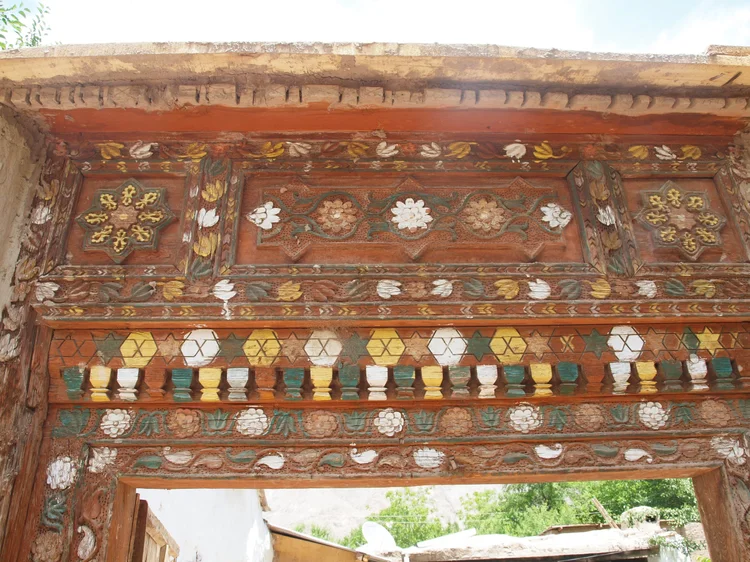
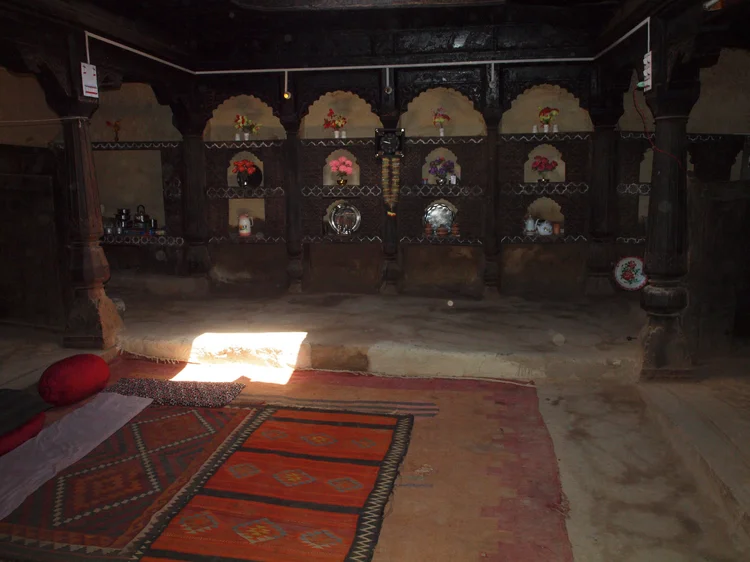
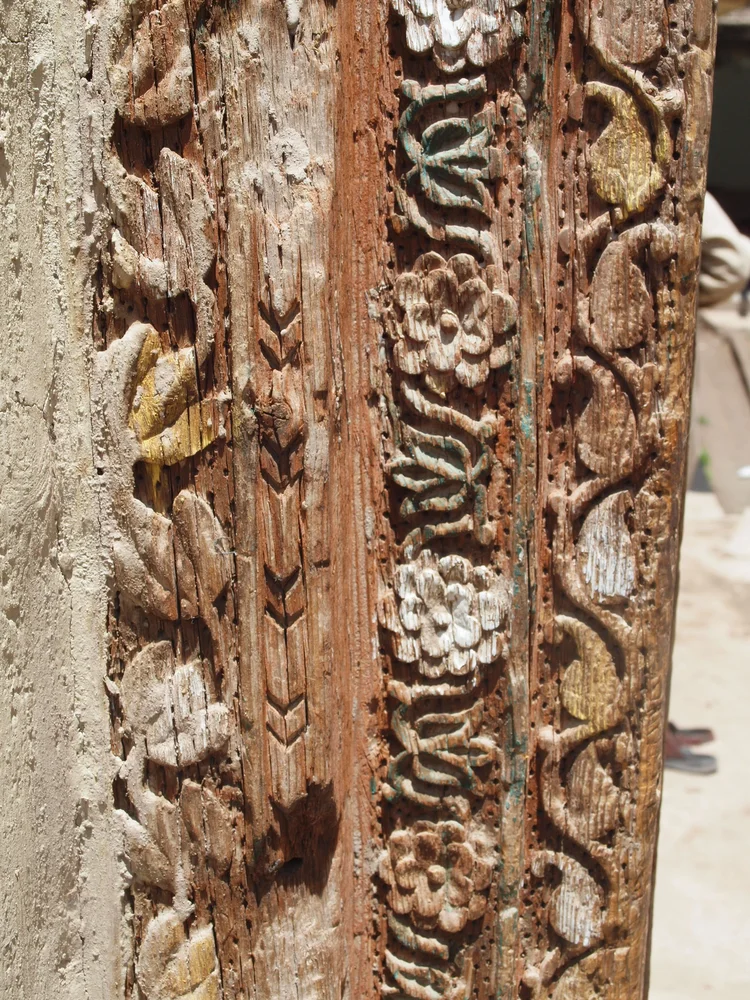
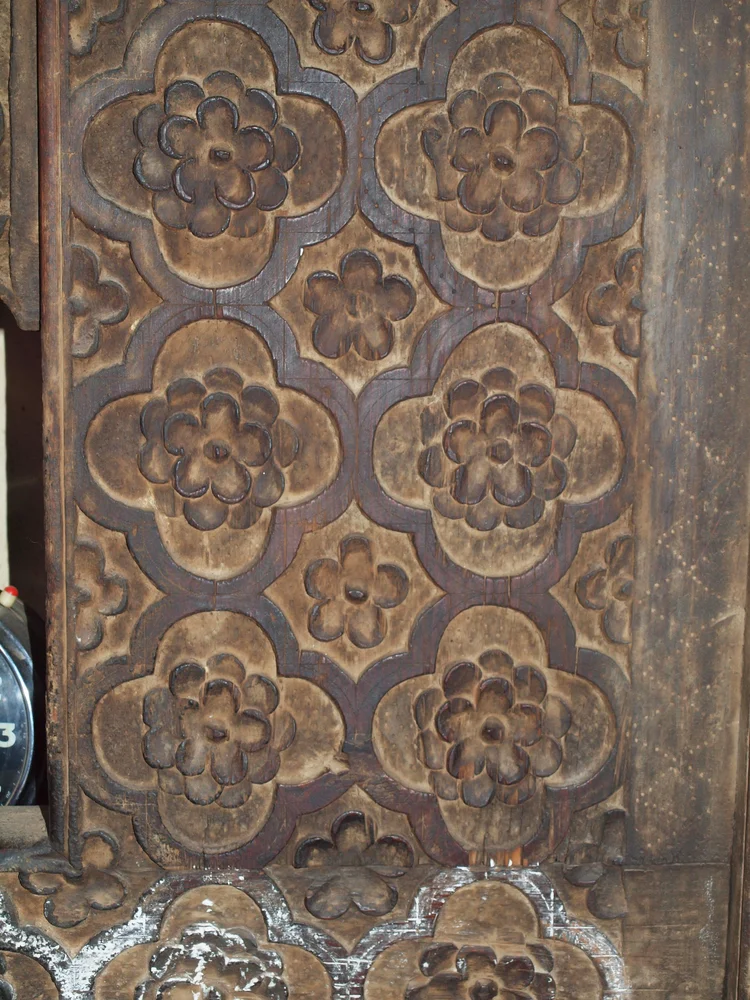
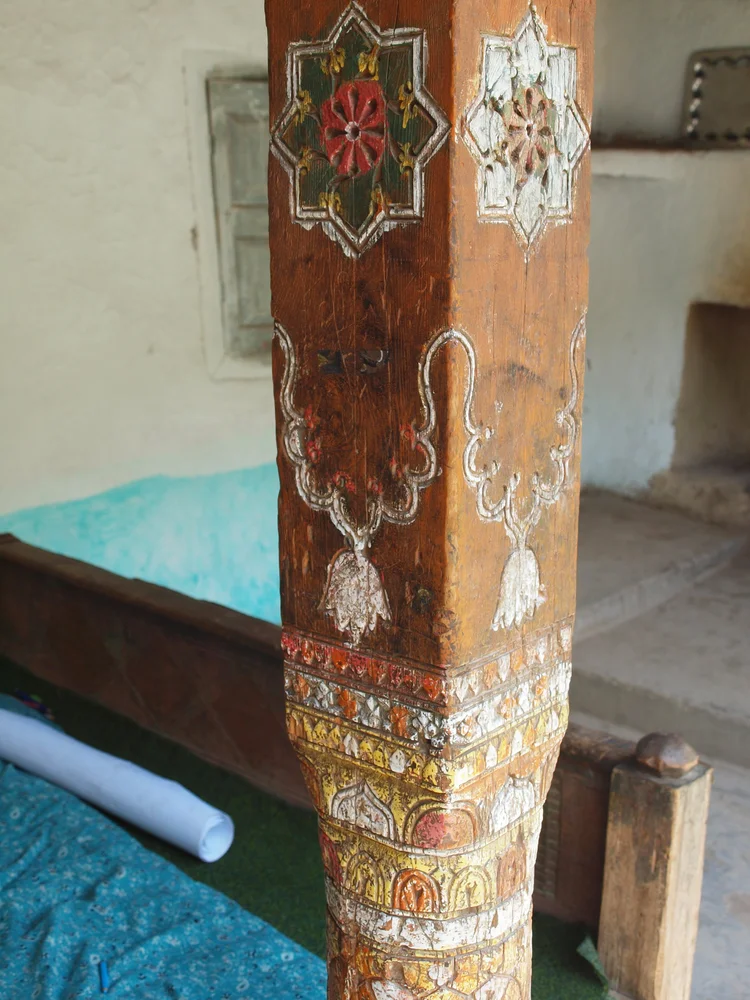
The Musatah house in Chitral Valley, a remote region of the Hindu Kush mountains, boasts unique architecture inspired by ancient Persepolis. A focal point of this Persian-style home is the intricate carvings of the lotus flower - a significant symbol in many cultures. Known as Nilofer in Persian, Kamal or Padma in Asian traditions, and tied to the ancient Persian goddess Anahita, the lotus represents divinity, fertility, health, and warfare. These lotus carvings, skilfully etched into the home's woodwork, attest to the enduring cultural significance of this sacred flower and its universal influence across diverse religions.
|
|
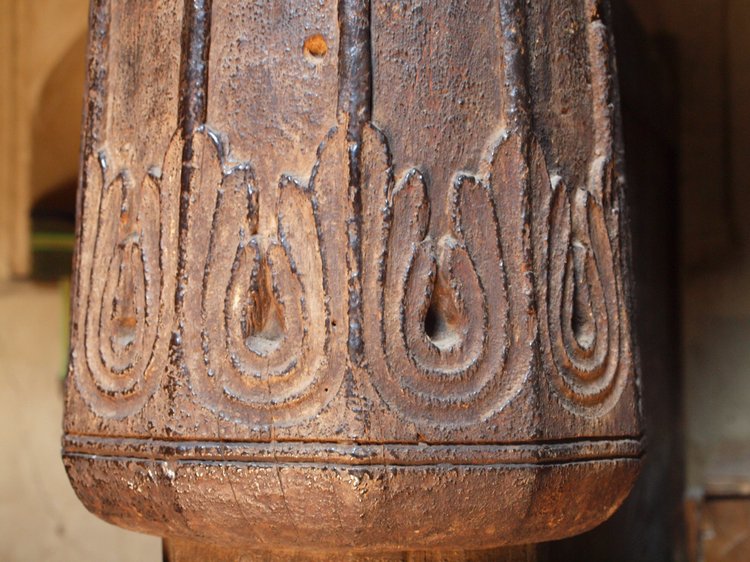
Musatah means flat in Persian, and there is a house in the remote valley of Chitral called Musatah (with flat ceilings). Chitral was formerly a princely state between the Hindu Kush mountains. This Musatah house belonged to a group called Rom and is situated in Romandur (where the Roms live) in the Reshun Valley of Chitral. Many people believe this room was the house of Baba Rom, the descendant of Baba Ayub (An adventurer who came to Chitral from Khurasan in the 16th century). The room's architecture resembles the Persian-style wooden works in this part of the world. The columns are inspired by the great ancient Persepolis or Takht-e-Jamshid city columns (514 BCE) of Iran, with two bullheads shaped at the top where they hold the roof. Different, beautiful Central Asian wood carvings enhance the beauty of the room. When you enter the room, you will not take your eyes off the small wall niches covered with wood frames carved beautifully with the lotus flower. In Persian, the Lotus flower is called Nilofer, and in Asian tradition named Kanwal, Kamal, or Padma. This Persian symbol of the lotus flower is decorated with carvings all over the room. The lotus flower was once considered a symbol of divinity; most ancient cultures hold it sacred and symbolic. According to Ross Murfin, a symbol is something that, although it is of interest in its own right, stands for or suggests something more extensive and more complex—often an idea or a range of interrelated ideas, attitudes, and practices. (Funch,1997, p.97)
|
|
|
Anahita's mythologies in different religions showcase the remarkable adaptability and cultural assimilation of the lotus flower symbol. In Hinduism, the lotus is associated with the goddess Lakshmi, representing purity and divine beauty. In Buddhism, the lotus represents enlightenment and spiritual growth, as the Buddha is often depicted seated on a lotus throne. This multifaceted significance of the lotus reflects its enduring appeal and universal symbolism across diverse cultures throughout history. |
|
|
|
|
The ancient Aryan religion, shared by Indo-Iranians, closely resembles Indian Hinduism's polytheism. Anahita, revered in Iranian as Aredvi Sura ("moist and strong") and in Indo-Aryan as Sarasvati, symbolizes water and rivers. In Sanskrit, known as Anahita, she embodied fertility, life, wisdom, and healing. |
|
|
|
|
|
|
Zoroastrianism, a monotheistic faith, incorporates the Aryan goddess Anahita. While it primarily worships Ahura Mazda as the creator god, Anahita is revered as the embodiment of the heavenly river, the source of all waters. |
|
|
|
|
In Buddhism and Hinduism, the Lotus flower had symbolic importance and was believed to be an iconographical value within the microcosm and macrocosm. Lotus has been depicted in many Buddhist stupas and has much significance in modern Hinduism, where the god and goddess are in some way associated with the Lotus. When Islam emerged in Central and South Asia, the symbol of the Lotus became only a decorative motif. Somehow, some Persian-origin people’s nexus with their pre-Islamic culture did not allow them to completely vanish the chattels of divinity from this symbol. In many cultures and religions, the pattern and number of lotus petals express different dogmas.
|
|
Similarly, the Lotus flower carvings in the Musatah are used only for decorative motifs; only a little evidence was found to call it a divine antiquity. The pattern of the design of the lotus flower of this Musatah house resembles the Persian design of the Lotus. The Indian and late Central Asian motifs differ from the old Persian depiction of the lotus flower, where the petals are roundish and can be found in Persian, and some Buddhist inscriptions. The decorative carvings and columns of Musatah are a little glimpse of the decorations in the great Achaemenid city of Persepolis. The frame all over the city was symbolised by lotus flowers with 12 petals and bullhead columns implying royalty, power, and strength. These architectures are still an enigma for many researchers; they are one of the remaining mysteries of the ancient civilisations in these parts of the world.
|
|
|
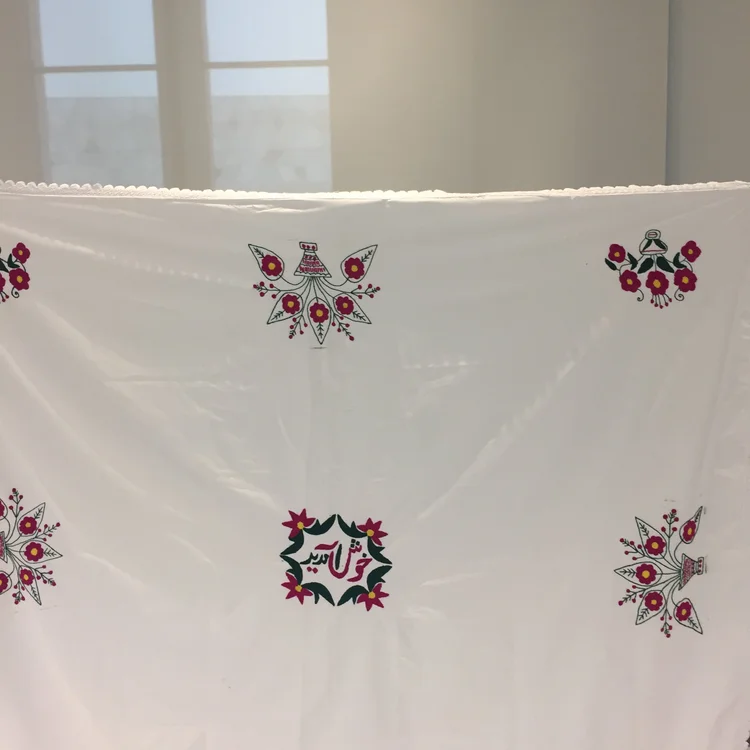
Palestinian women have played an integral role in resisting the Israeli occupation. Tatreez—an artful embroidery technique with radical roots—is just one of the many tools they have utilized. |
|
|
PERISTAN a tapestry, woven of wild dreams no rules, no themes, where beauty blooms in surprise crafted with love, whispered in art's embrace
|
|
Twitter Instagram Facebook info@twillingtweeds.com
|
|
|
|