$$PLAIN_TEXT_PREVIEW$$
TWILLING TWEEDS

۲۰۲۴ vol: 9

PERISTAN

بِسْمِ اللهِ

The Call of Nuzugum by Uyghur poet Nurmemet Yasin Translated by Aziz Isa Elkun.

Where are you our heroic men? 
Let us go to the desert,
The brave hunter finds freedom there,
It flows in his spirit and his blood.

The reeds sing a desert song,
Horses neigh on the horizon.
The heroic people who once lived by the sword, 
Now lie quiet beneath the earth.

The floating moon becomes a beautiful girl,
Telling a story in the blue* sky,
Oh the reed bed fiercely burns,
And with it the hopes of a whole nation.

We are listening to it silently,
Not only with our ears but in our hearts,
The sand encroaches on the fertile lands,
But we are the real sandstorms.

Let us go to the desert,
There the delicate moon is telling a tale,
Perhaps it is a book of warriors,
Containing many beautiful myths.

It would be not strange to meet,
Freedom’s son, heroic Chin Tomur*
Let us live in a free world,
Singing desert songs all our lives


*Refers to the East Turkistan flag, which has a crescent moon on a blue background. 

*Chin Tomur is a legendary Uyghur hero who defeated foreign enemies.

Threads of Legacy: The Timeless Art of Chitrali Embroidery

By Adil Iqbal

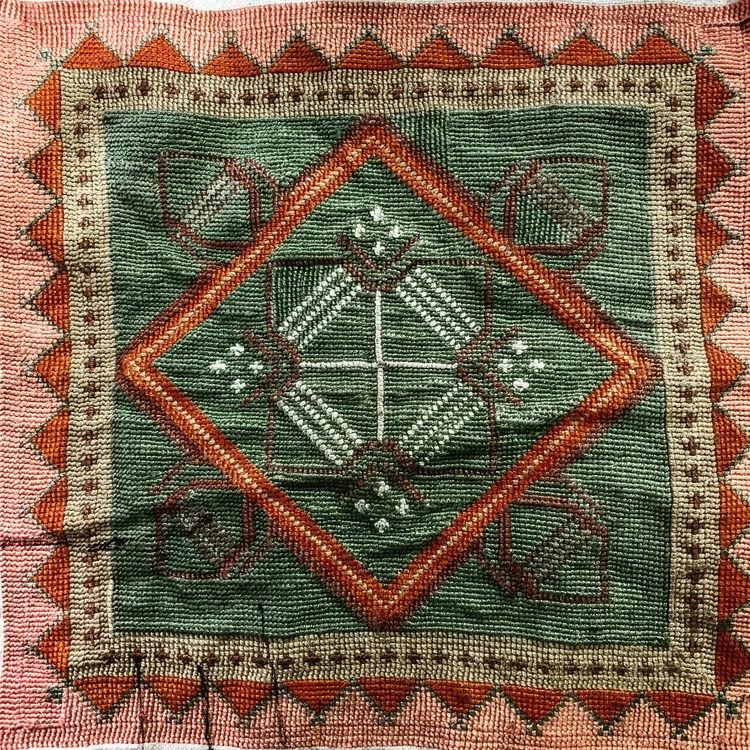
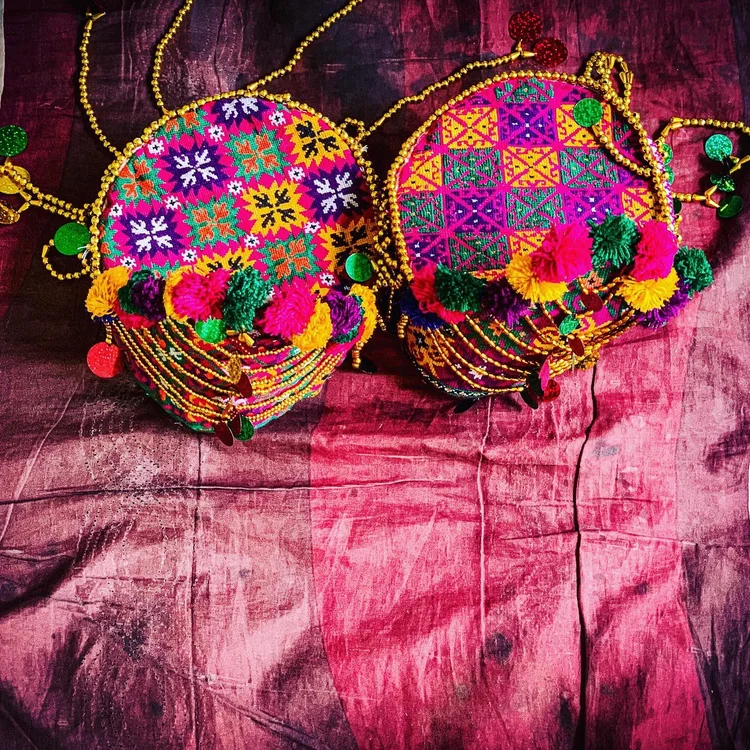
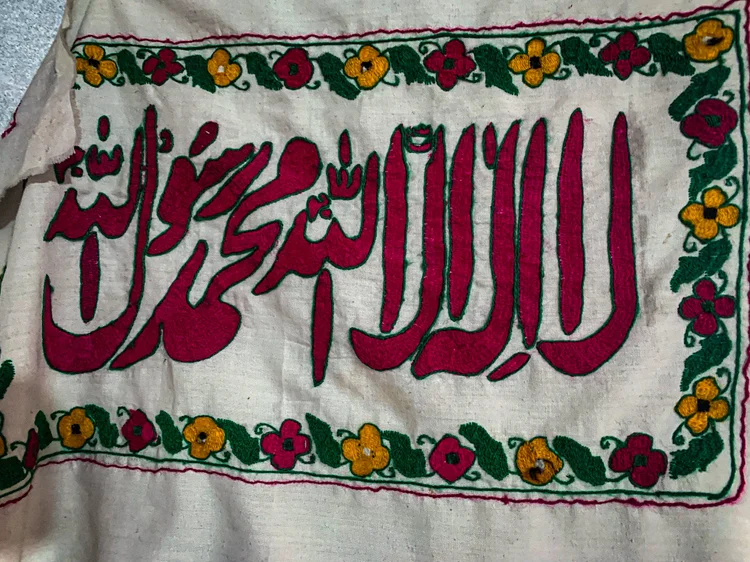
Nestled in the heart of the Hindu Kush, the remote valley of Chitral is a treasure trove of history, culture, and exquisite craftsmanship. Among its many artistic traditions, embroidery stands out, weaving stories of heritage and identity through each meticulously crafted piece. The vibrant threads of Chitrali embroidery are not merely decorative; they are imbued with the whispers of ancient silk routes, the legacy of royal patronage, and the intimate expressions of love and femininity.

Silk Roads and Lady Birds: A Historical Tapestry

The intricate history of Chitrali embroidery is inextricably linked to the introduction of silk, believed to have arrived in the region during the 7th century AD. According to local historians, the Chinese rulers of Chitral would exact taxes in the form of various goods, including boxes of ladybirds. Within these boxes, it is speculated, the silkworms made their clandestine journey along the storied Silk Road. This exchange not only brought silk to Chitral but also intertwined the region's cultural fabric with the illustrious traditions of Central Asia.

The influence of Central Asia is palpable in Chitrali embroidery patterns and styles, with references to the artistic hubs of Samarkand and Bukhara echoing in local poetry and songs. These allusions celebrate an imagined kinship with the grand artisans of these cities, embedding a sense of shared heritage and cultural pride in every stitch.

The Feminine Craft: Embroidery as Identity

In Chitral, embroidery is more than a craft; it is a rite of passage, a symbol of womanhood encapsulated in the maxim "har chamuto har hunar" (every finger bearing a different skill). The art of embroidery is a testament to the multifaceted skills expected of Chitrali women, reflecting their adaptability and prowess in various household crafts. This traditional skill set is crucial not only for economic sustenance but also for fostering social relations and community bonds.

Embroidery plays a pivotal role in matrimonial customs, where the skills of a young bride are showcased through the array of embroidered items she brings into her new home. From the delicate khoi (women's skull cap) to the intricately designed surband (embroidered headband), these items symbolise the bride's dexterity and creativity, forming a vital part of her dowry and her identity within her new family.


Embroidery in Ceremony and Gift-Giving

The ceremonial significance of embroidery extends beyond weddings. Embroidered gifts are exchanged during various celebrations, symbolising goodwill and familial bonds. Royal women adorned in embroidered garments for special occasions would commission skilled artisans, rewarding them generously. Even famous riders and warriors were honoured with embroidered items like zenpush (saddlecloths) and ayalpush (bridle covers), elevating the craft to a mark of distinction and valour.

In marriage disputes, the value of embroidered gifts often becomes a point of contention, underscoring their importance in Chitrali society. The royal patronage of silk production and embroidery not only ensured the craft's survival but also elevated the status of women skilled in this art, making them integral to both economic and social spheres.


Embroidery in Folk Lore and Love

Chitrali folklore and songs often celebrate embroidery as a metaphor for beauty and love. Tales of poor boys winning the hearts of princesses, who then use their embroidery skills to build a life together, underscore the transformative power of this art. Embroidered garments and accessories in these stories are not mere objects but symbols of resilience, love, and the harmonious blending of beauty and utility.

In Khowar poetry, the beloved’s features are often likened to intricate embroidery, with silk threads symbolising the delicate and profound nature of affection. A young woman gifting an embroidered handkerchief to her lover is a timeless gesture of love, while a husband presenting his wife with a silk suit signifies his deep appreciation and admiration.

Tha Ishqa kamar boti that ghama girifthar Ma ashru mukhodoko kishtian aliftar

The day I have fallen in your love I am bounded by sorrows and greifs;

My tears run down the cheeks like the lines of alif tar (embroidery of lines).


Hamisha ishqu muhabatho bachen hajath ishqo phurdili

Harush royosum muhabatho bachen awa suyiman mushkili

Love constantly demands scarifies and big heartedness;

I have been sewing mushkili for the love of such person

Ma zhan nazukio bachen thanthay lai piran arer

Parchaman qadro nokori cholanthay arman arer


My friend made an embroidered shirt for delicacy;

In non appreciation of open hair (symbol of virginity) she chose to braid them (got married)
 

Enigmatic Art from "Land of Light"

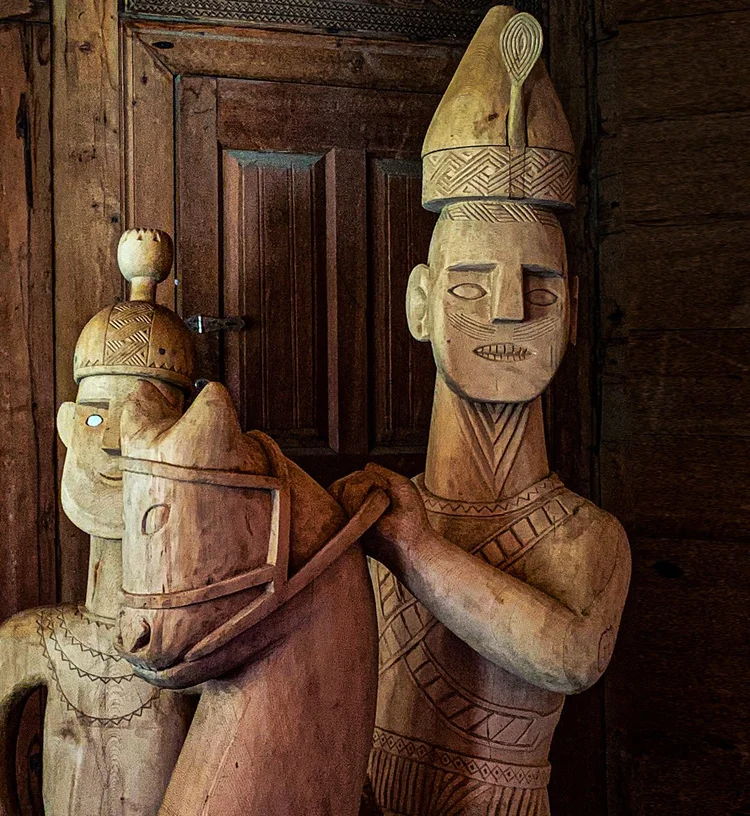
We traverse the mystical terrains of Rumbur Valley in the Hindu Kush, where sculptor Rehmat Wali Khan breathes life into the ancient Kalasha art of Gandau. These wooden effigies, carved from fragrant Himalayan cedar, stand as soulful custodians of tradition and poignant emblems of a culture in flux. Amidst the whispering cedars and storied landscapes, this piece unveils the enduring spirit and artistry of the Kalasha people, capturing their ancestral echoes and contemporary resilience. 

 STEP INTO RUMBUR VALLEY 

PERISTAN

a tapestry, woven of wild dreams

no rules, no themes,

where beauty blooms in surprise

crafted with love,

whispered in art's embrace


Website Twitter Instagram

info@twillingtweeds.com

Edinburgh, EH15 3QP, UK

Powered by Squarespace

Unsubscribe